Module 07
Community Group Processes
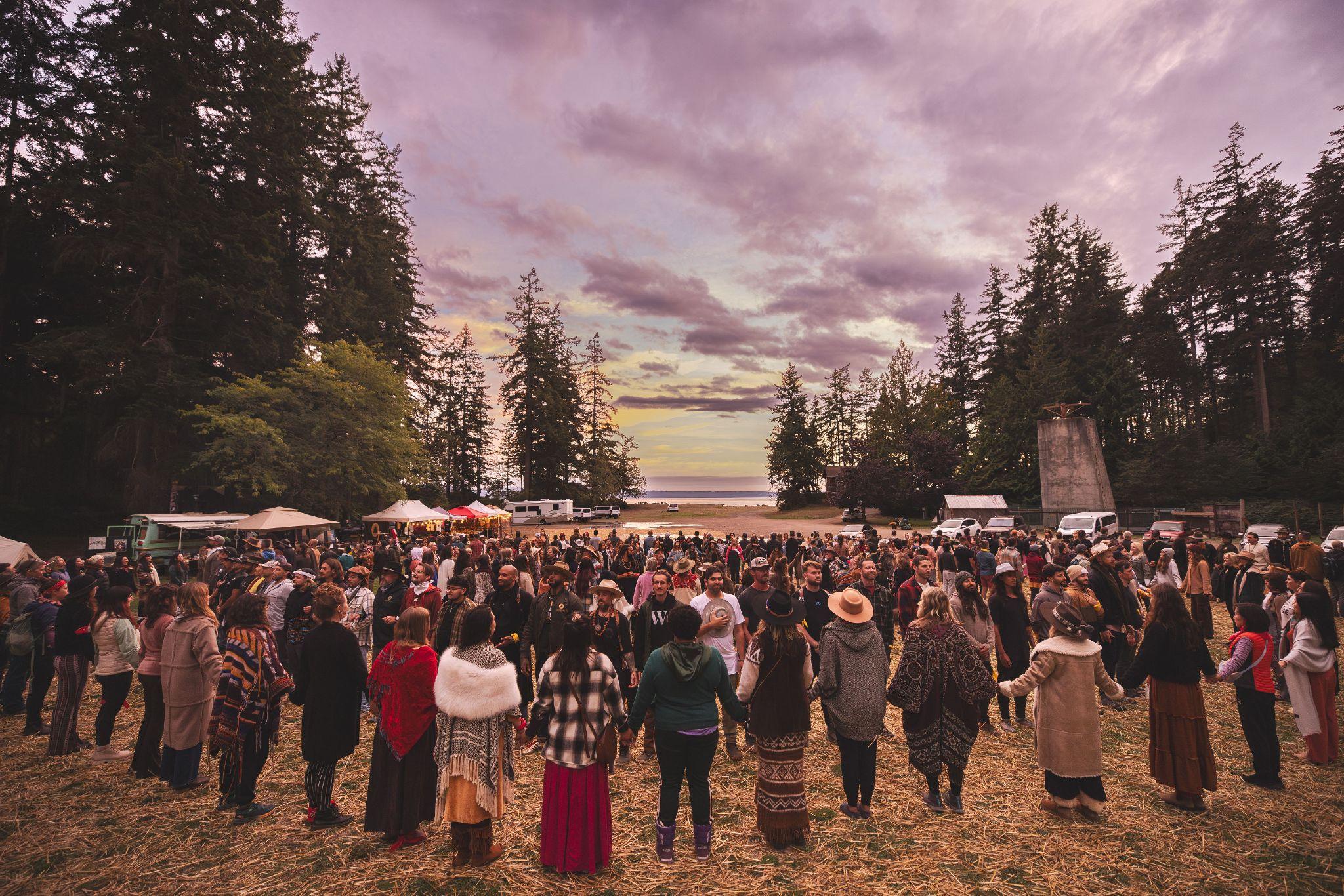
Examples of group processes that hold the relational container through all levels of emotion.
Community Relational Training
Community relational healing does not happen by accident. It happens because individuals provide a safe well-held container for individuals to process as a group. This chapter introduces you to the foundational group processes that create safety, exploration, and authentic connection across the full spectrum of human emotion. From grief to anger, from shame to joy, these processes are designed to help communities move through experience—not around it.
Group Daily Schedule
The 4 C's of Container Flow
- Create — Set the space, establish safety, invoke agreements
- Connect — Build trust through eye contact, breath, presence
- Confront — Move into the material with courage and care
- Celebrate — Acknowledge what moved, what shifted, what was claimed
Opening Ceremony — Portal Opening
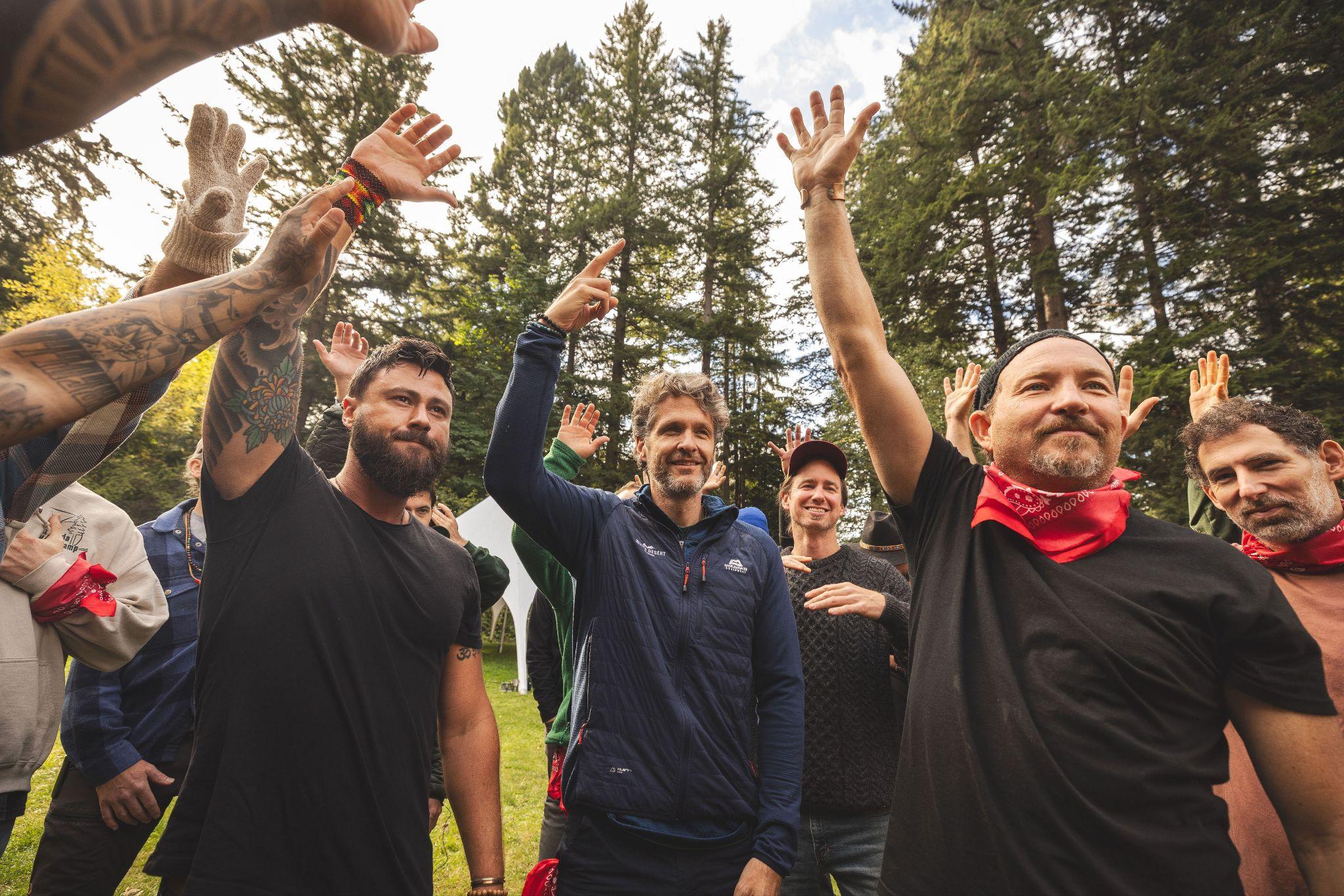
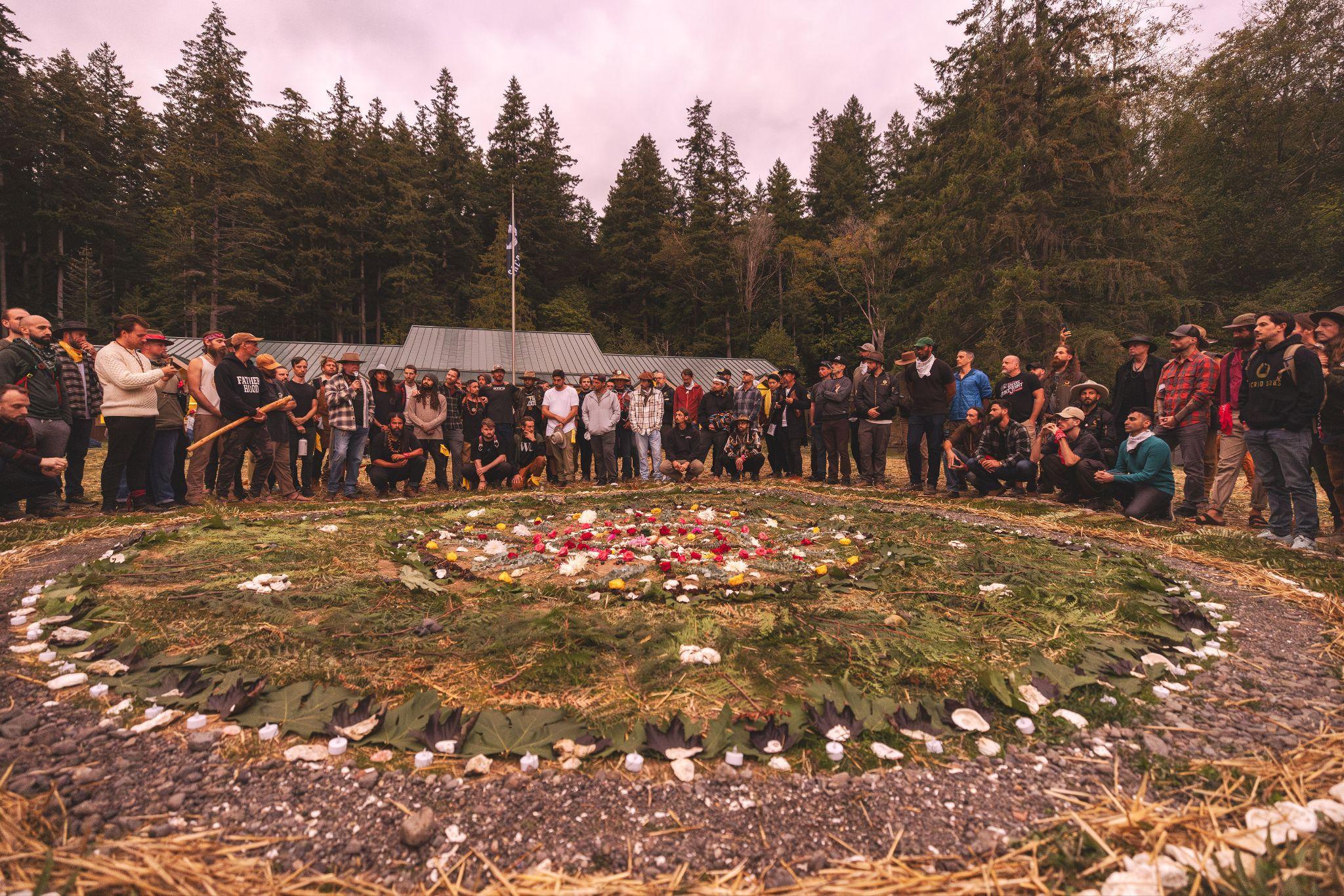
The Opening Ceremony marks the threshold between ordinary time and sacred space. What happens inside CRT is not only psychological or somatic work, it is a ceremony. Drawing from native intelligence and indigenous wisdom traditions that have long understood the power of ritual to orient the human being toward something larger than the individual, the opening is the moment the community formally declares its intention and invites in what is needed for the work ahead. Songs, prayers, and altars are the instruments of that invocation, each one a way of acknowledging that we do not enter this container alone and that what we are about to do deserves to be held with reverence. To open the portal is to say that this time, this space, and these people are set apart for sacred work that is going to take place here.
Sacred Mirrors Agreements: Chaos & Order
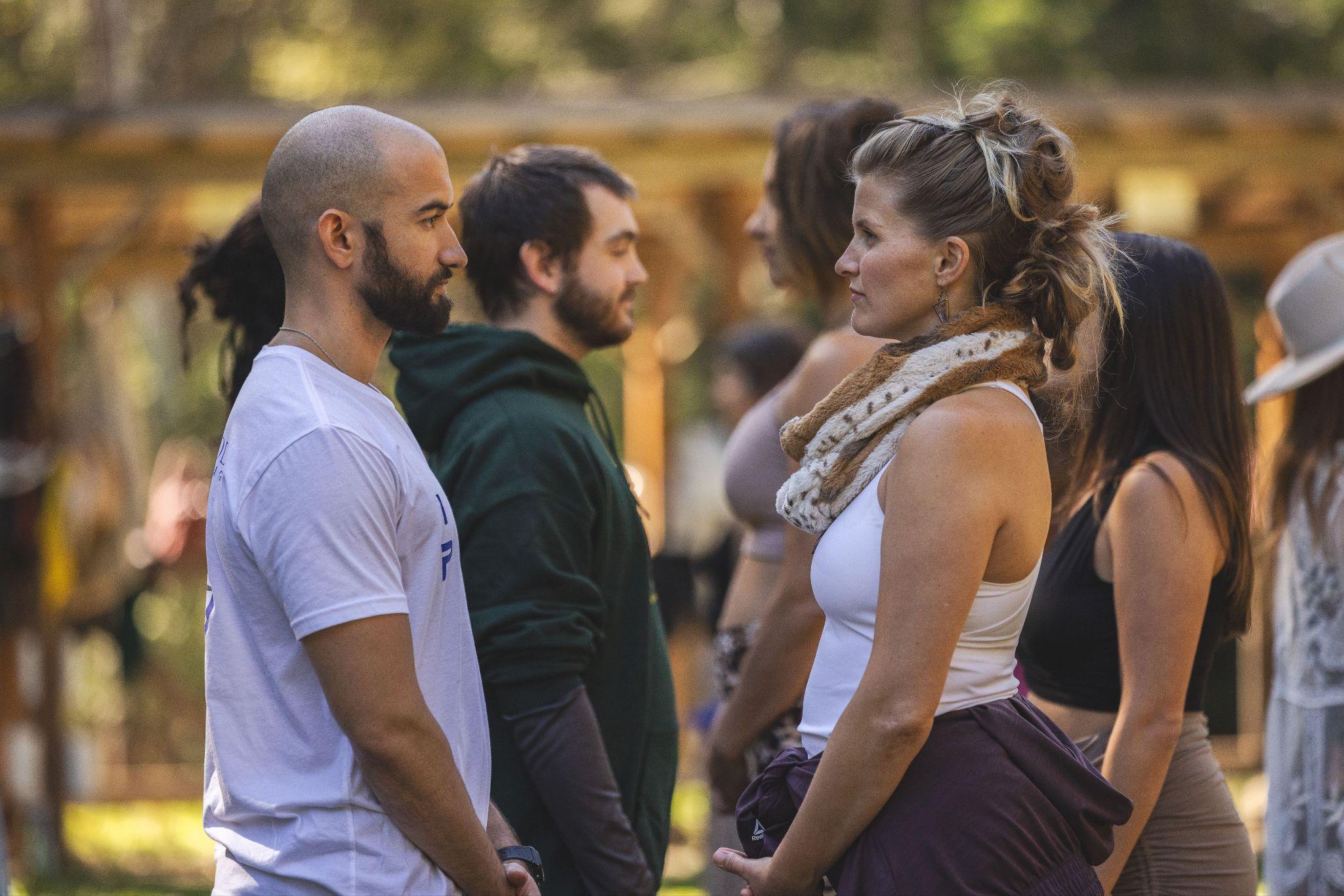
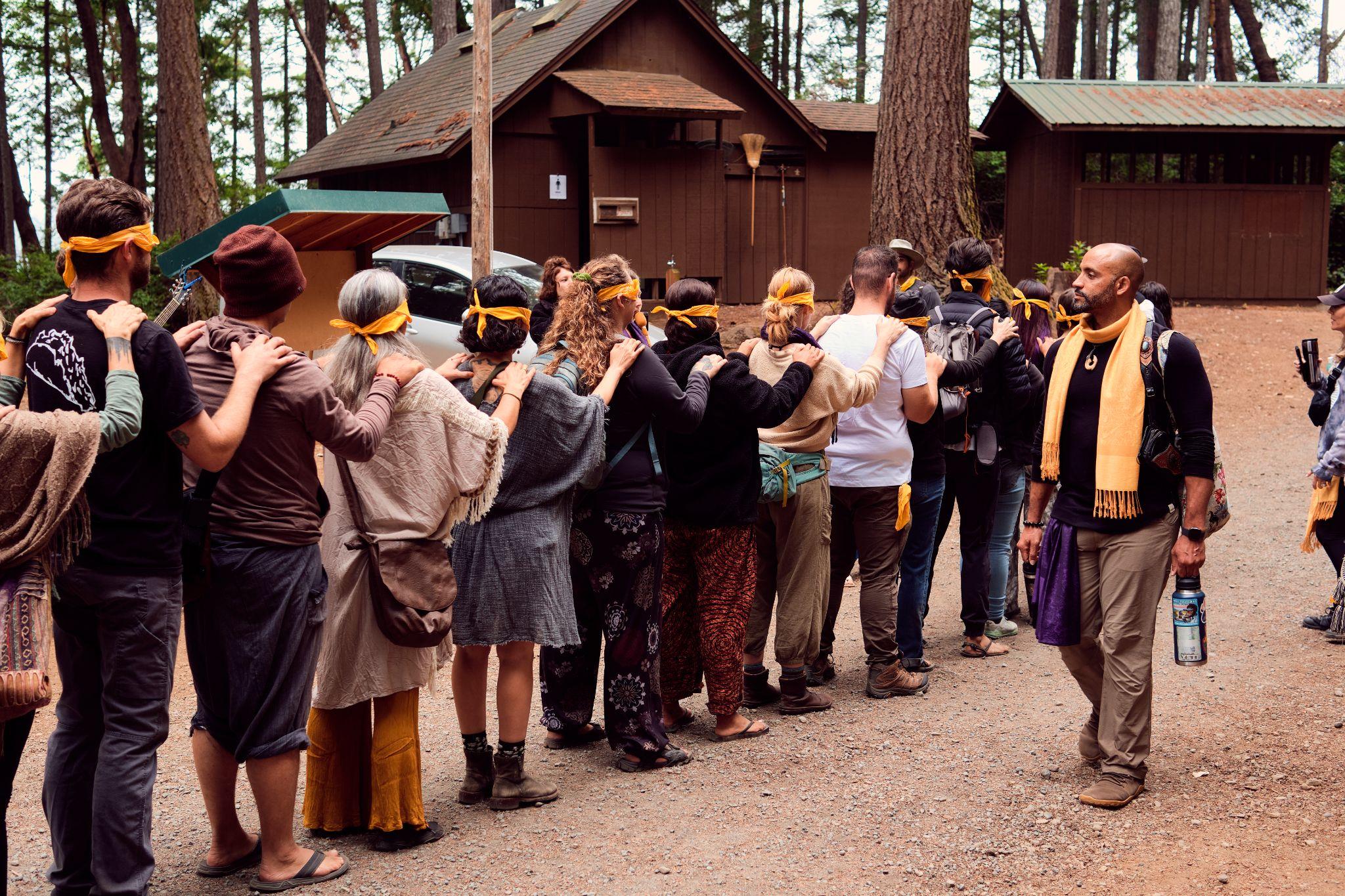
Sacred Mirrors is an embodied relational practice in which participants stand in two lines facing one another, holding eye contact and moving through a series of spoken prompts one exchange at a time. It is built on the understanding that genuine human encounter happens when two people meet each other fully as subjects rather than objects, without agenda, without performance, and without the habitual filters that govern most human interaction. Research into how the nervous system responds to attunement confirms what participants often feel directly: being truly seen by another person does not just feel meaningful. It is physiologically transformative. For many, this is the first time they have experienced that kind of presence, and what it opens in them becomes available to the work that follows.
Relational Magnetics (Charge/Clear)
Relational Magnetics works directly with the charged energy of projection, judgment, and trust as it lives between people in the room. It operates on the understanding that who we gravitate toward, who activates our defenses, and who we dismiss are not random responses but deeply patterned ones, shaped by early relational experience and carried forward into every room we enter. A prompt is given, participants move toward whoever holds that particular charge for them, and in doing so the invisible forces operating beneath the surface of the group become visible and workable. Physical contact is offered with explicit consent, and each person follows only what feels genuinely alive in them, teaching in real time that proximity is not reciprocity.
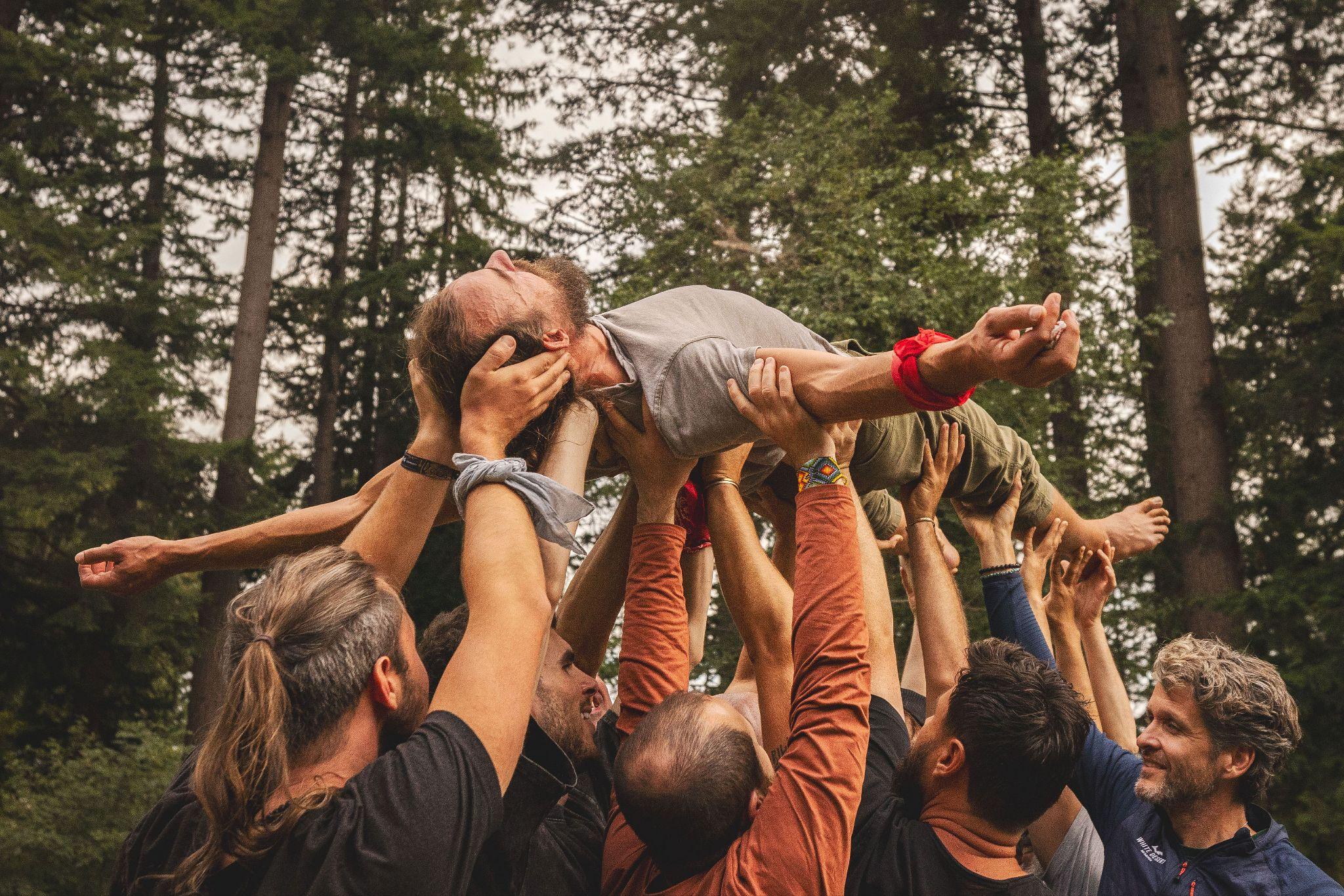
Physical Pillar
The Physical Pillar is the somatic foundation of the CRT daily rhythm, grounded in the understanding that the body is not a vehicle for the mind but an intelligence system in its own right. Movement, breath, and physical activation are not preparation for the real work. They are the real work, priming the nervous system, building collective regulation, and establishing the embodied presence that everything else in CRT depends on. At its center is a practice called The Nines, nine deliberate movements drawing from breathwork, static holds, mobility, functional movement, and energetic activation, typically done together each morning as a collective recalibration before the day's processes begin. By the time The Nines are complete, the group has already begun to co-regulate, orient, and arrive.
Primal Recalibration
Primal Recalibration is a practice rooted in the understanding that unresolved emotional pain and trauma do not disappear over time. They are stored in the body, waiting for a space safe enough to surface. Rather than processing through language or analysis, participants are guided to reexperience and express what has been held beneath the surface, moving through the full range of emotion whether anger, grief, joy, or something harder to name, through sound, movement, and uninhibited physical expression. Every person both participates and witnesses, so that nothing expressed in that space goes unseen. What emerges in Primal Recalibration is not performance. It is a release, and through that release, participants often find themselves unstuck from patterns that years of talking alone could not move.
Ritual Connection
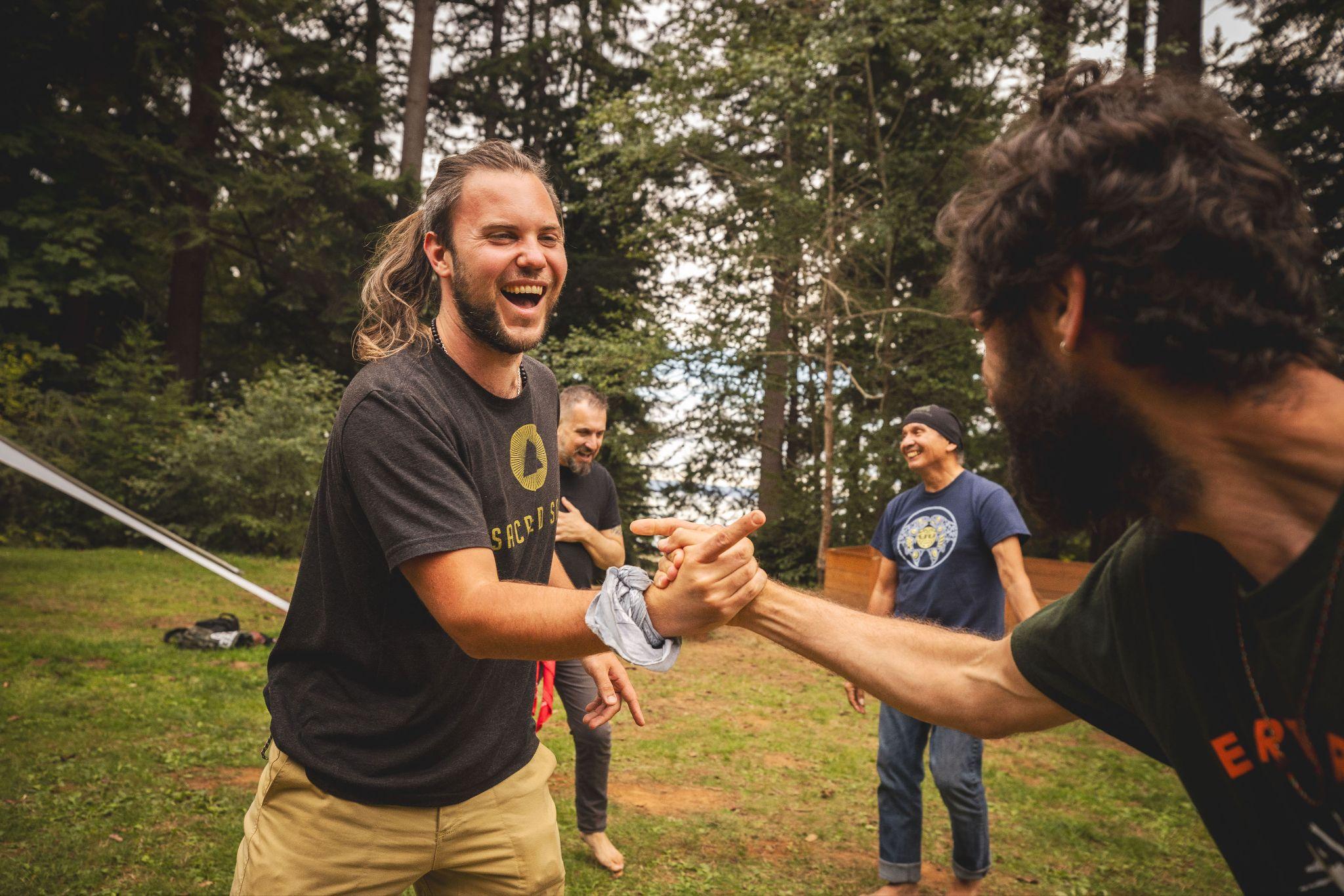
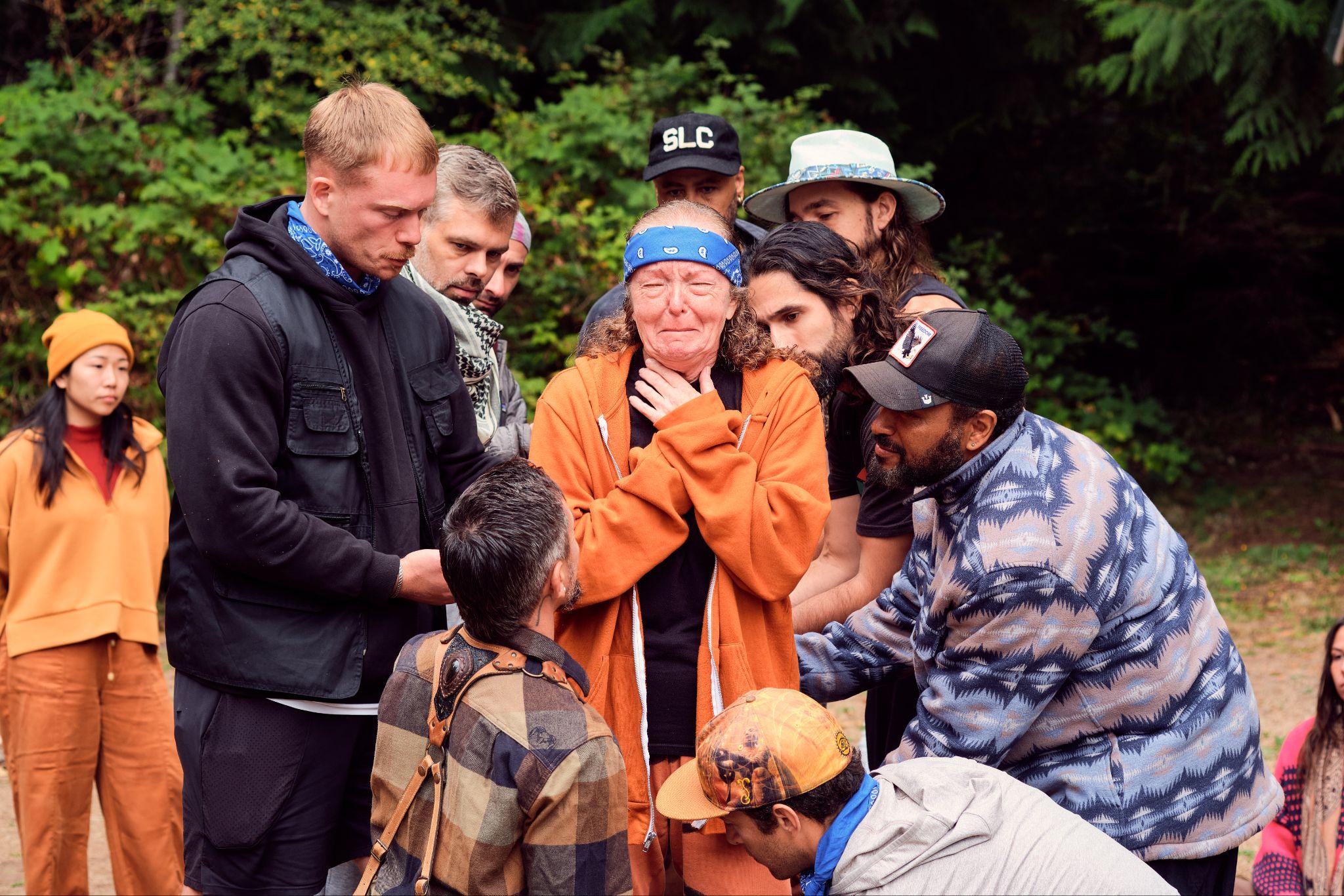
Ritual Connection is a depth process that draws from experiential therapeutic traditions, using ritual theater as its method. Participants engage with significant moments from their own history or life experience, with others in the room stepping into the roles of people or dynamics that were present. Unlike talk-based processing, this practice is inherently collaborative, the whole group becomes active participants in one person's story rather than passive observers, bringing unconscious material into conscious awareness through action, emotion, and present-moment experience. By playing out these situations in real time, participants can locate the points of contact where healing, processing, and movement are still possible.
Ritual Combat
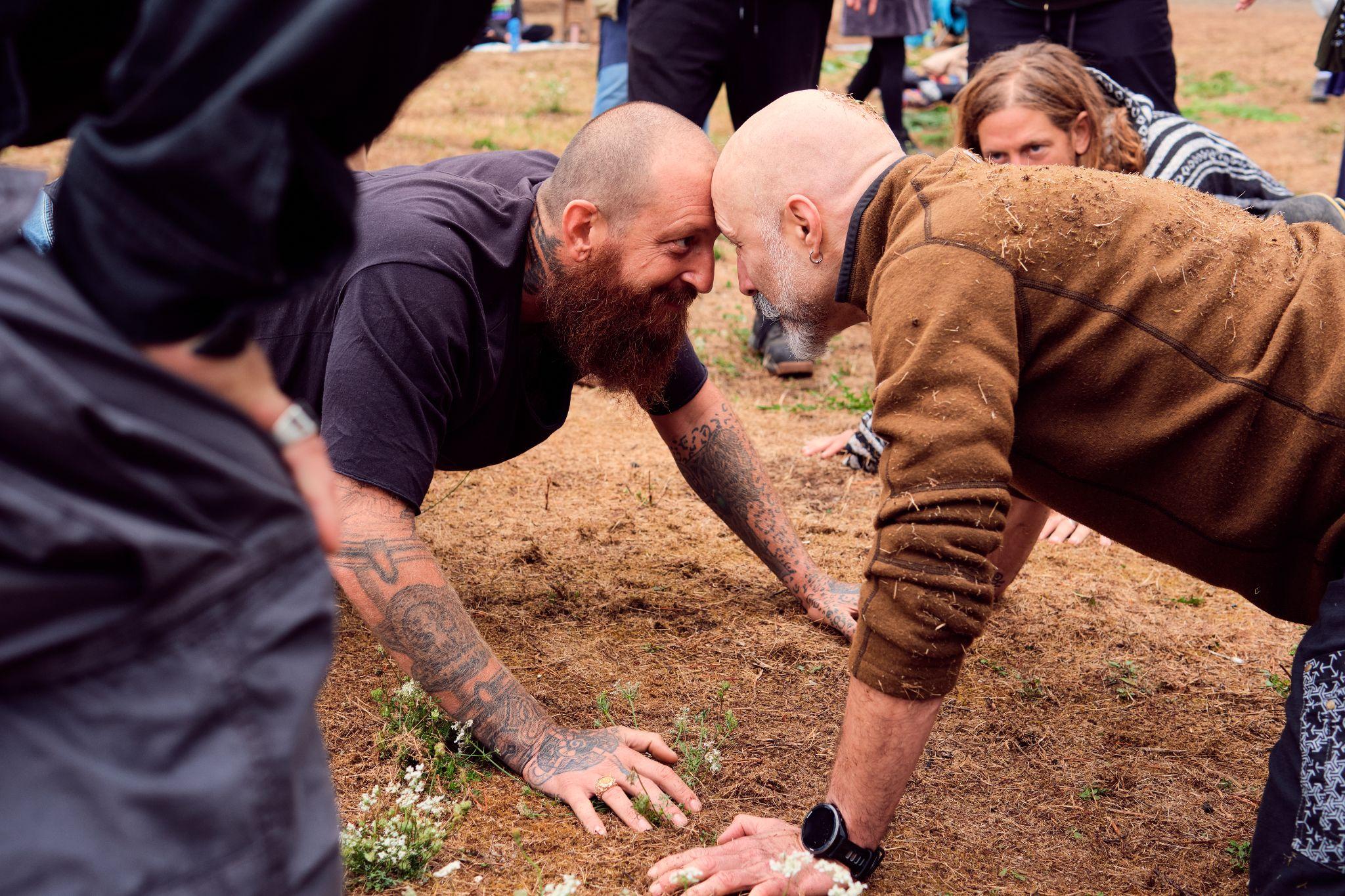
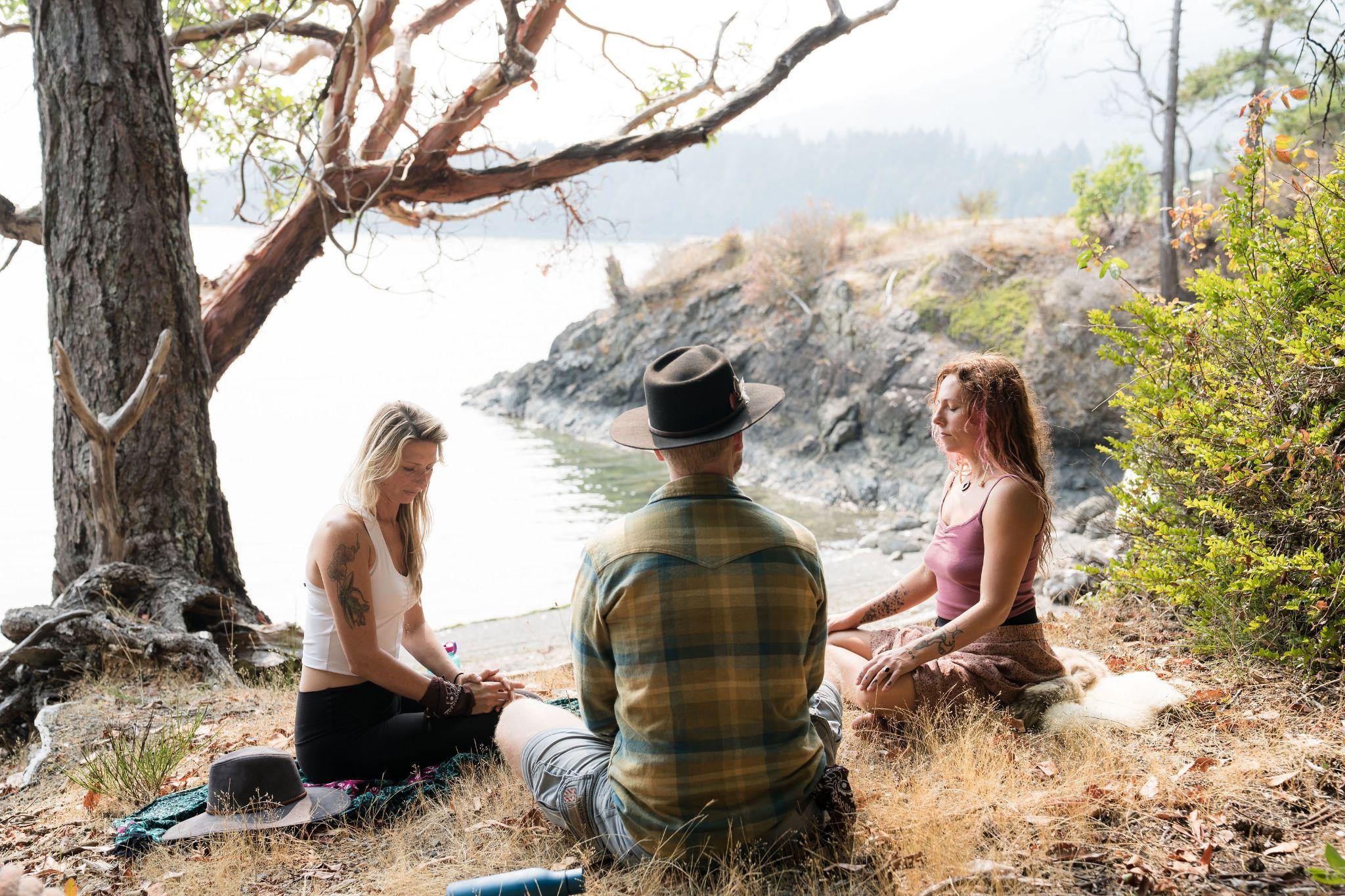
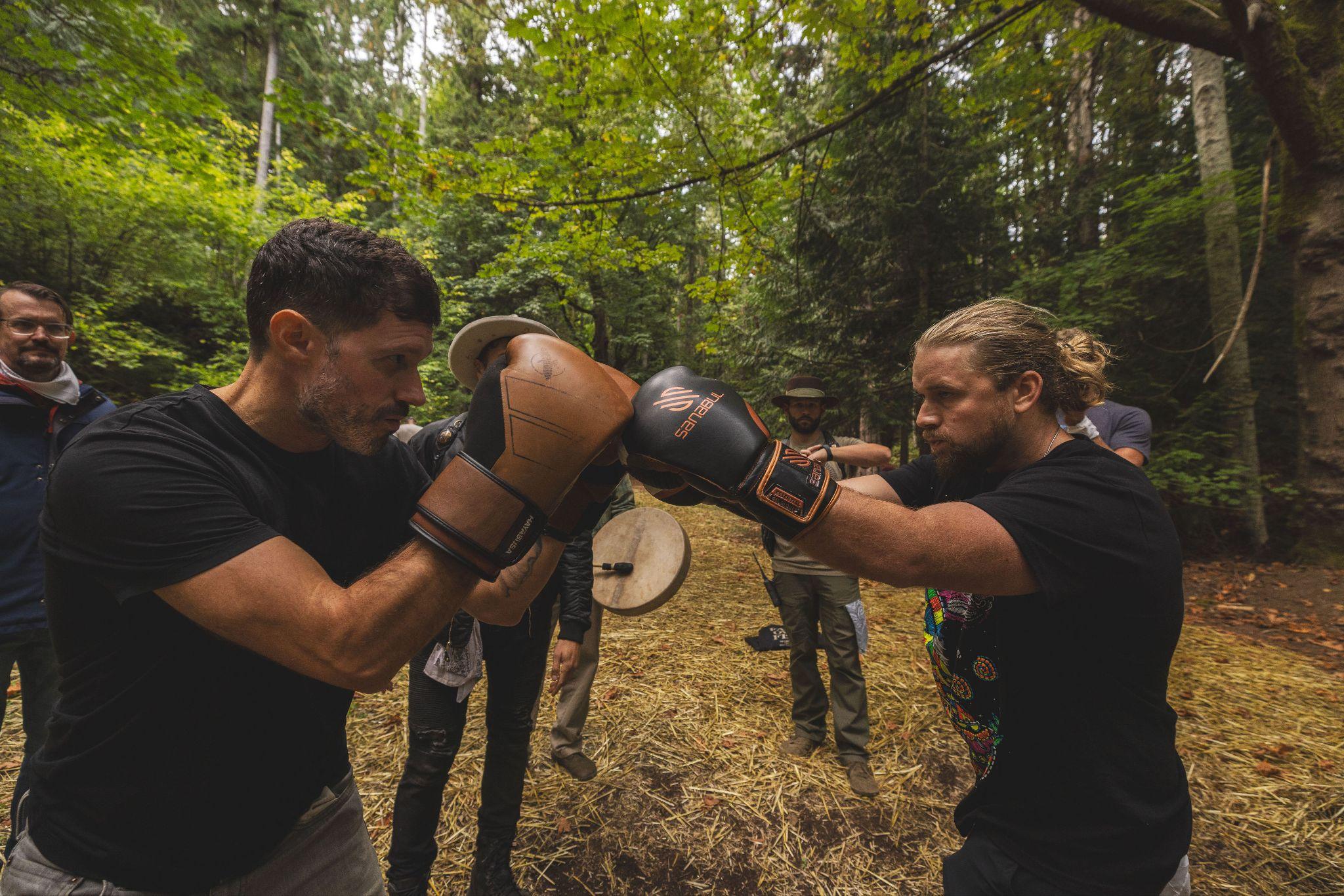
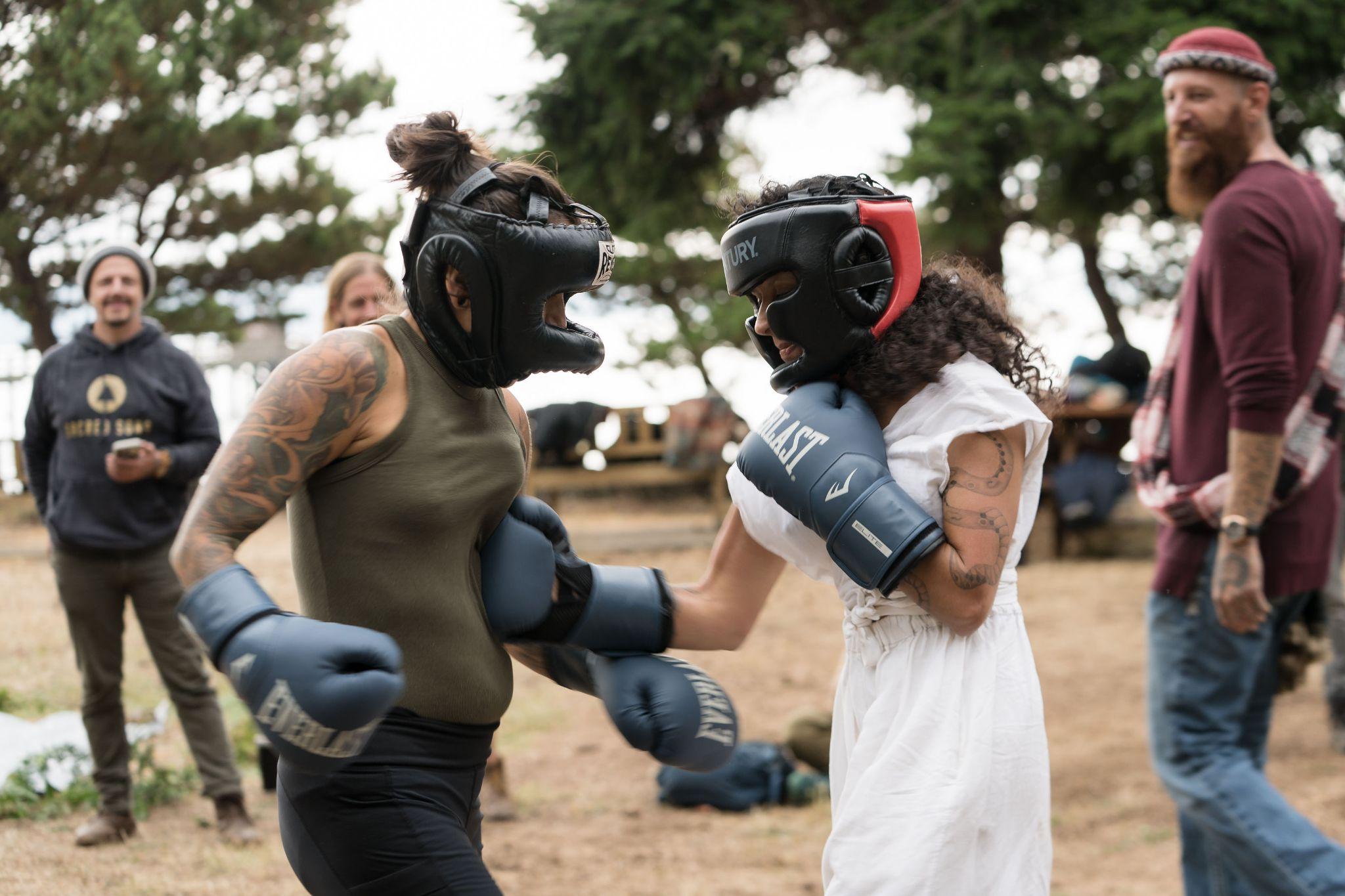
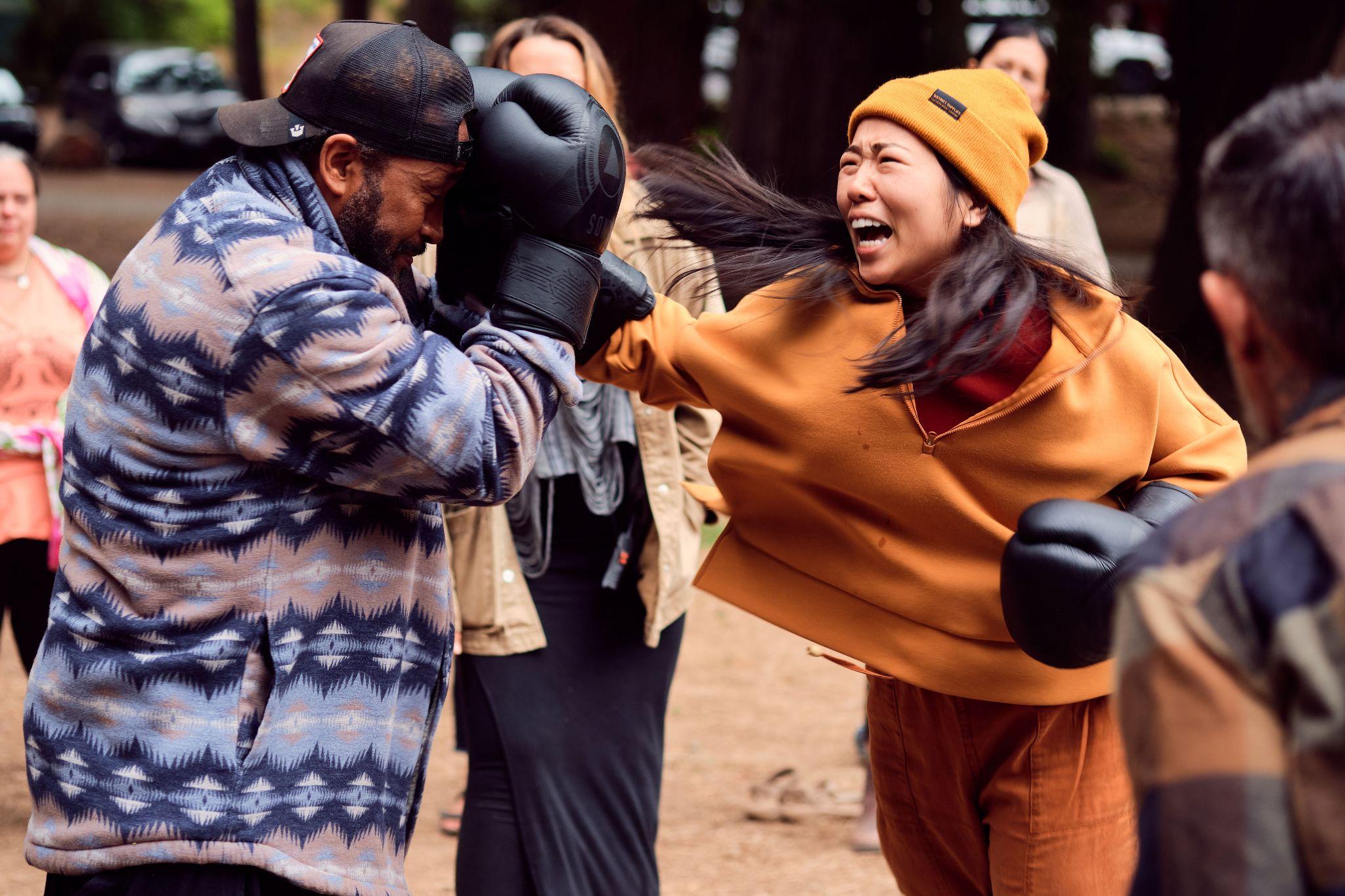
Ritual Combat is a structured, consent-based practice that brings participants into a conscious relationship with aggression, physical contact, and the parts of themselves that rarely get named in a healing space. The parts of us that have been conditioned to suppress, our capacity for aggression, our fragility, our raw physical nature, do not disappear when ignored. They go underground and drive behavior from there. Ritual Combat creates a container for those parts to be met consciously rather than acted out unconsciously, held within prefacing, dials, and ongoing consent so that intensity remains purposeful and collaborative. What surfaces in the body during this practice, the vulnerability, the feeling, the aliveness, becomes the material for reflection and expression afterward.
Man to Man
Woman to Woman
Woman to Man
Ritual Celebration
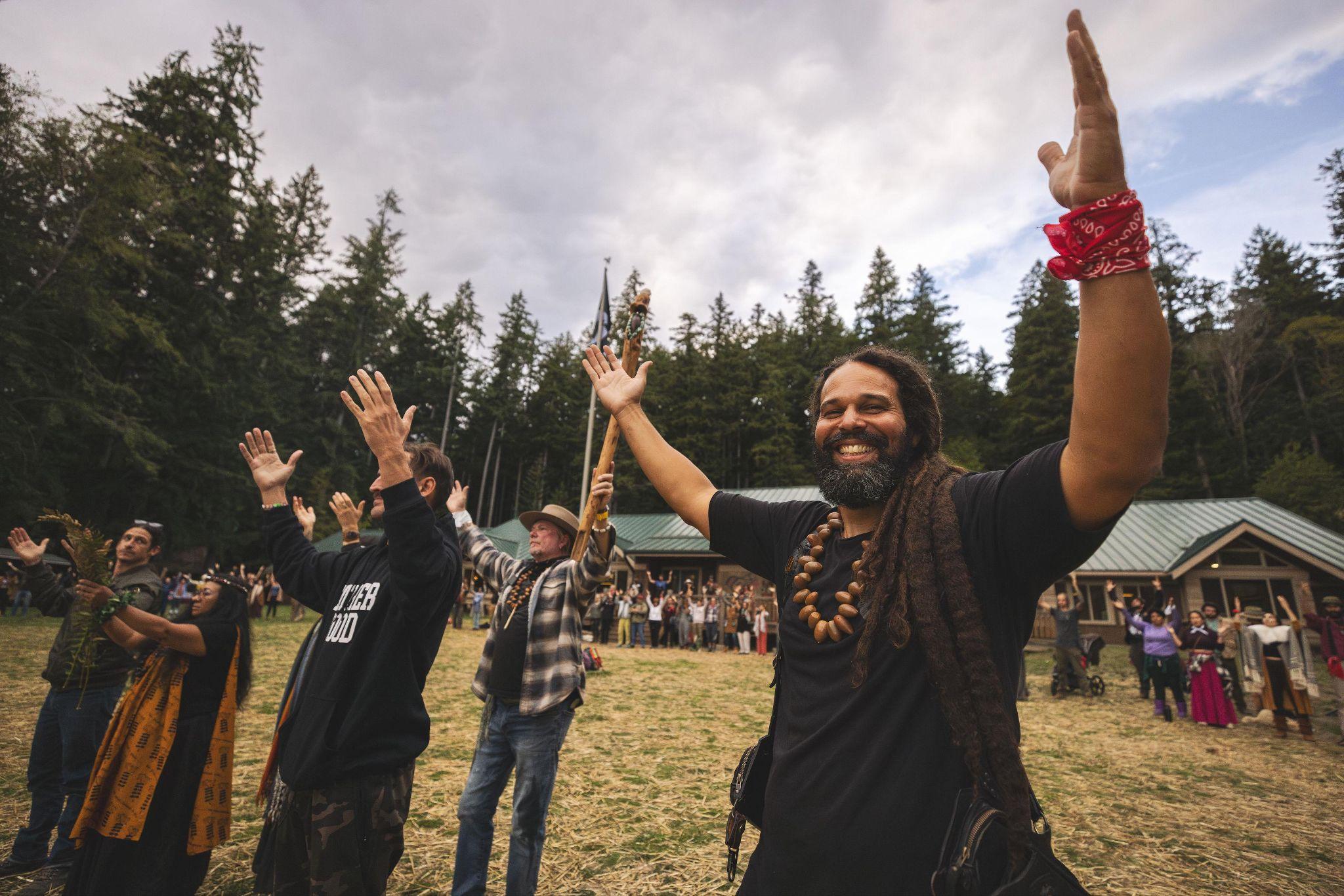
Ritual Celebration is the Saturday night gathering where the community comes together to play, enjoy one another, and integrate through joy. Joy, spontaneous expression, and communal play are not rewards for doing hard work. They are mechanisms of integration in their own right, and the nervous system consolidates intense experience most effectively when followed by states of safety, pleasure, and genuine connection. Depending on the setup it can include showcasing individual skills, talents, and artistry, games, ecstatic dance, and whatever feels alive for that particular group. It is a reminder that celebration is not separate from the group work. It is one of its most important expressions.
Integration
Integration is the closing conversation of the experience, built on the understanding that experience alone does not produce growth. Reflection on experience does. Structured around the four C's of integration, this is the space where participants begin to make meaning of what they moved through, finding language for it, placing it into a coherent story, and naming what they are taking with them and how they intend to carry it forward into their lives and communities. This conversation is not optional. It is where the experience becomes something a person can actually use.
Closing Ceremony
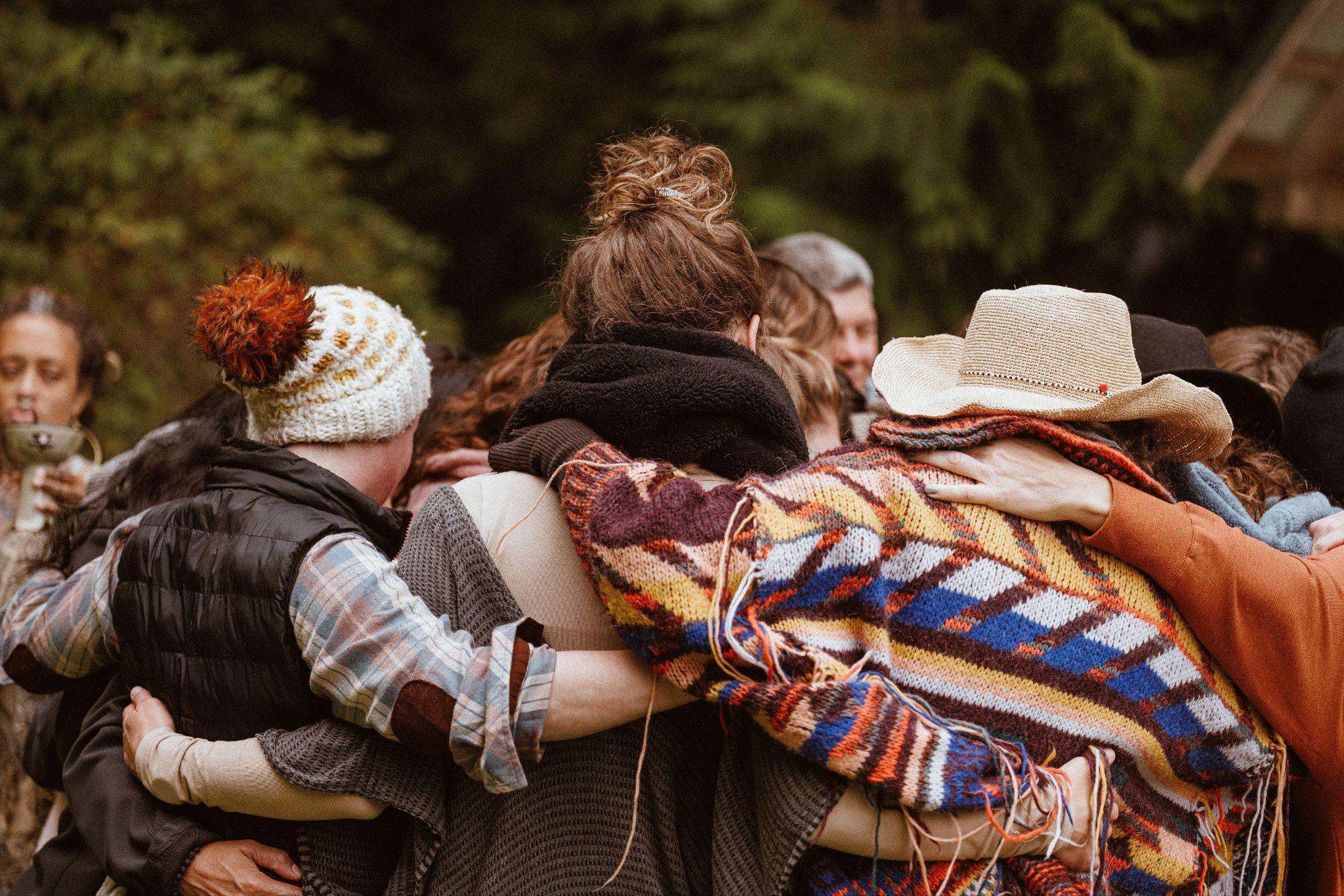
Just as the space was intentionally opened, it must be intentionally closed. The Closing Ceremony honors everything that was invited into the container and releases it with care, marking a clean and conscious completion for spirit, mind, heart, and body. Nothing is left unfinished or unacknowledged. The community comes to a close together, in the same way they began, with intention, beauty, and reverence for what was shared.