
Module 02
Culture & Community
Offering guiding cultural and ancestral ways that foster the right relationship, mutual understanding, shared responsibility, and collective care.
Community Relational Training
WE are all indigenous to this earth.
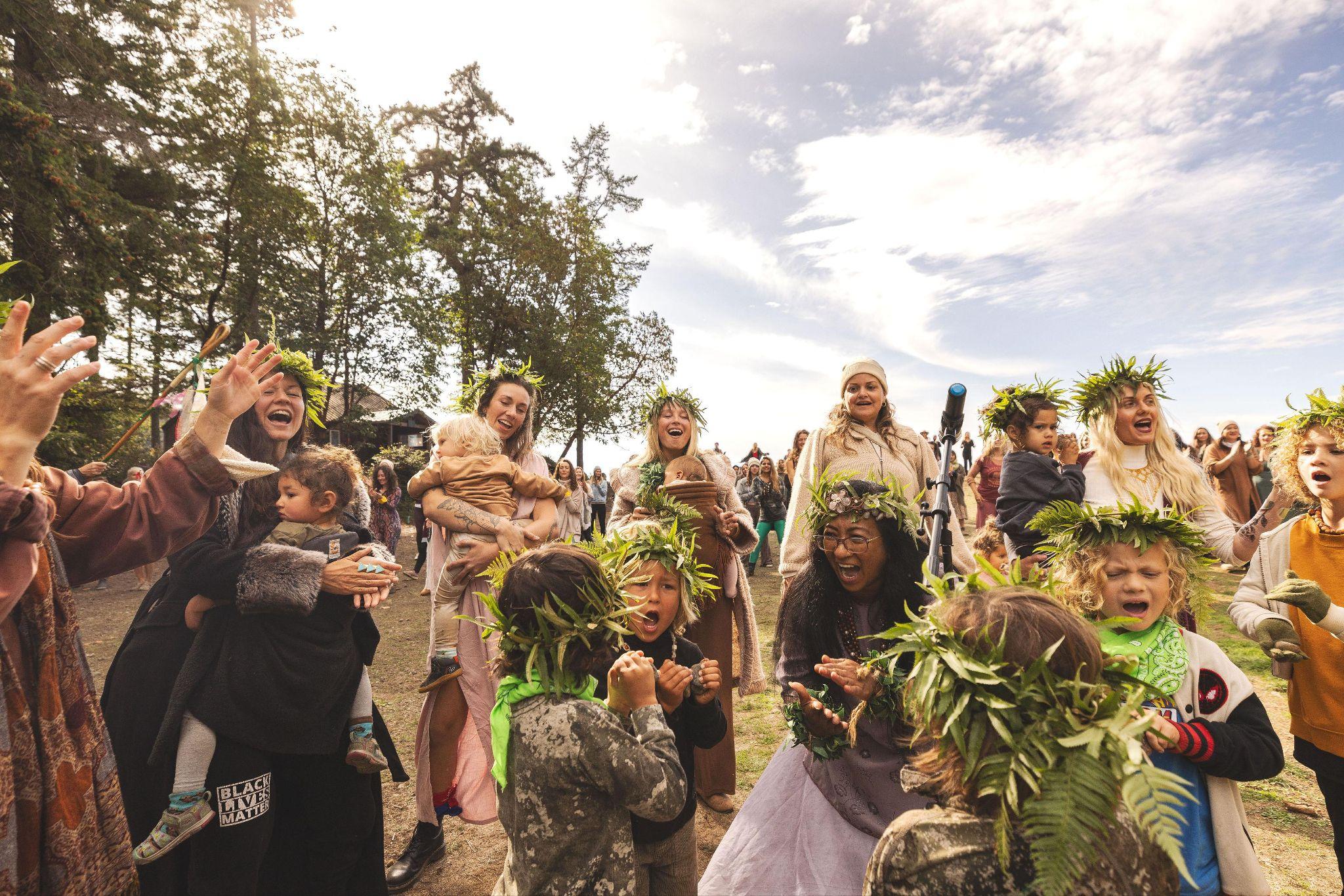
ORDER
Original, Remembrance, Directions, Elements and Rituals
As we come together for this experience, our agreements help us create a space of ORDER, rooted in essential principles:
Original
Reconnect with core values and ancient wisdom that ground our gathering.
Remembrance
Rediscover and honor your true self and the collective spirit that unites us.
Directions
Follow guidance that aligns our journey and efforts towards meaningful outcomes.
Elements
Engage with Earth, Water, Fire, Air, and Spirit to enhance balance and presence.
Rituals
Participate in ceremonial practices that anchor and enrich experience.
By holding these agreements, we cultivate a space that supports deep connection and transformation.
Honoring and recognizing our diverse ethnicities and cultures is the shared foundation beneath the difference. Across cultures over thousands of years—from Indigenous peacemaking circles to community councils—shared dialogue, accountability, and compassion have long served as foundations for collective healing and renewed belonging. In South Africa’s Truth and Reconciliation Commission, Archbishop Desmond Tutu reminded the world that healing communities must confront harm while also creating pathways for repair, writing that “without forgiveness, there is no future.” These traditions recognize that collective societal care does not occur through punishment alone, but through witnessing truth, restoring dignity, and rebuilding relationships.
Our Commitment to Diversity & Inclusion
We are committed to building a relational community where every person belongs. Regardless of race, ethnicity, nationality, gender identity, sexual orientation, age, religion, ability, or socioeconomic background, all are welcome to participate fully in this work.
We recognize that true relational strength is cultivated across differences. We actively work to dismantle barriers to participation, honor the wisdom each person carries, and hold space where diverse lived experiences are not just welcomed — they are essential to the health and wholeness of our community. This is not a passive commitment. We will continue to listen, learn, and grow in our capacity to serve all people with dignity, equity, and care.
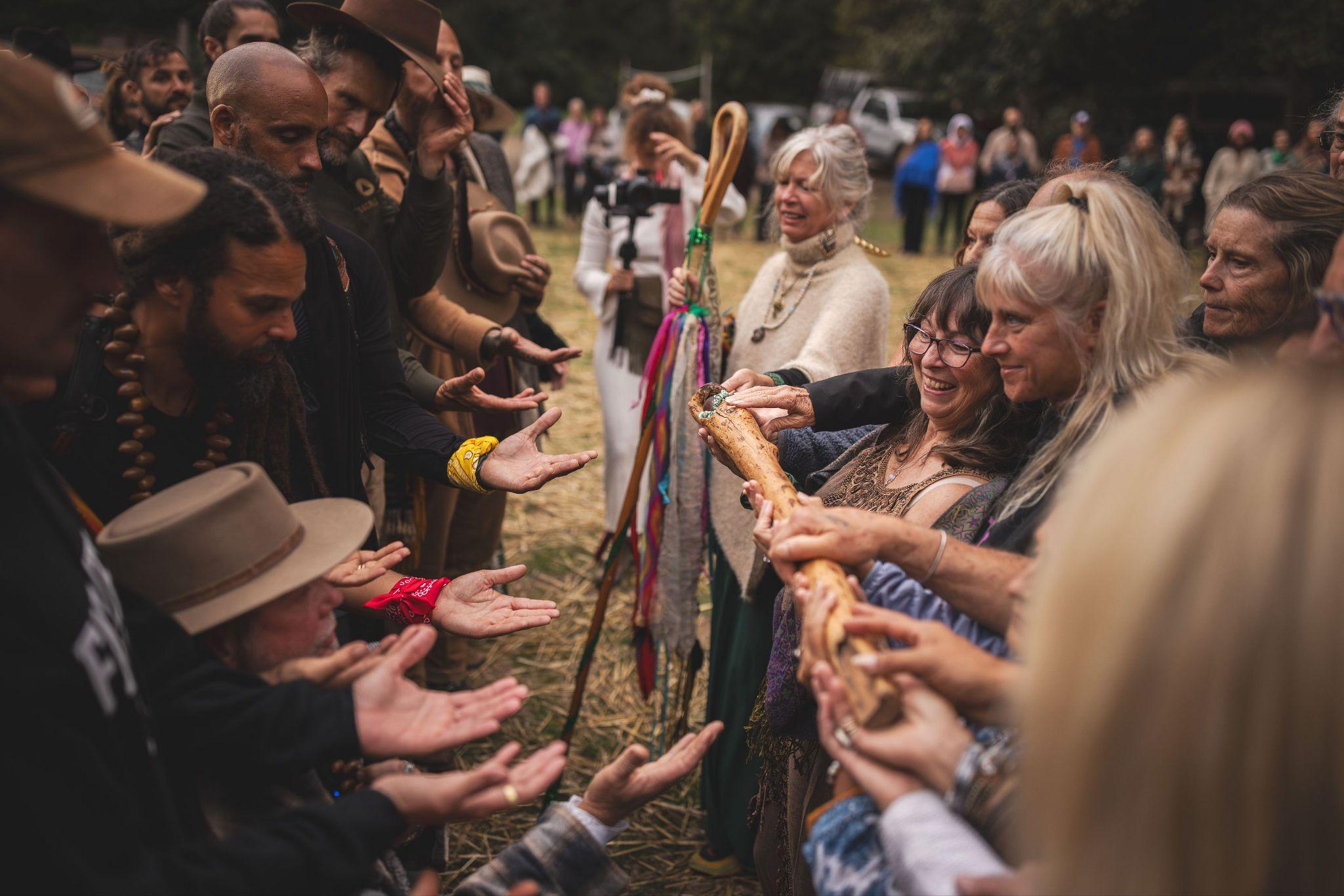
This chapter reminds us of our own ancestral knowledge that supports a cultural and community container. By understanding that all of us enter the space with thousands of ancestors within us, the ability to exercise humility, respect, and reciprocity create the conditions for trust, accountability, and relational repair. Our individual reclamation challenges us to restore our inner wisdom and share these gifts with our community to create a harmonious culture.
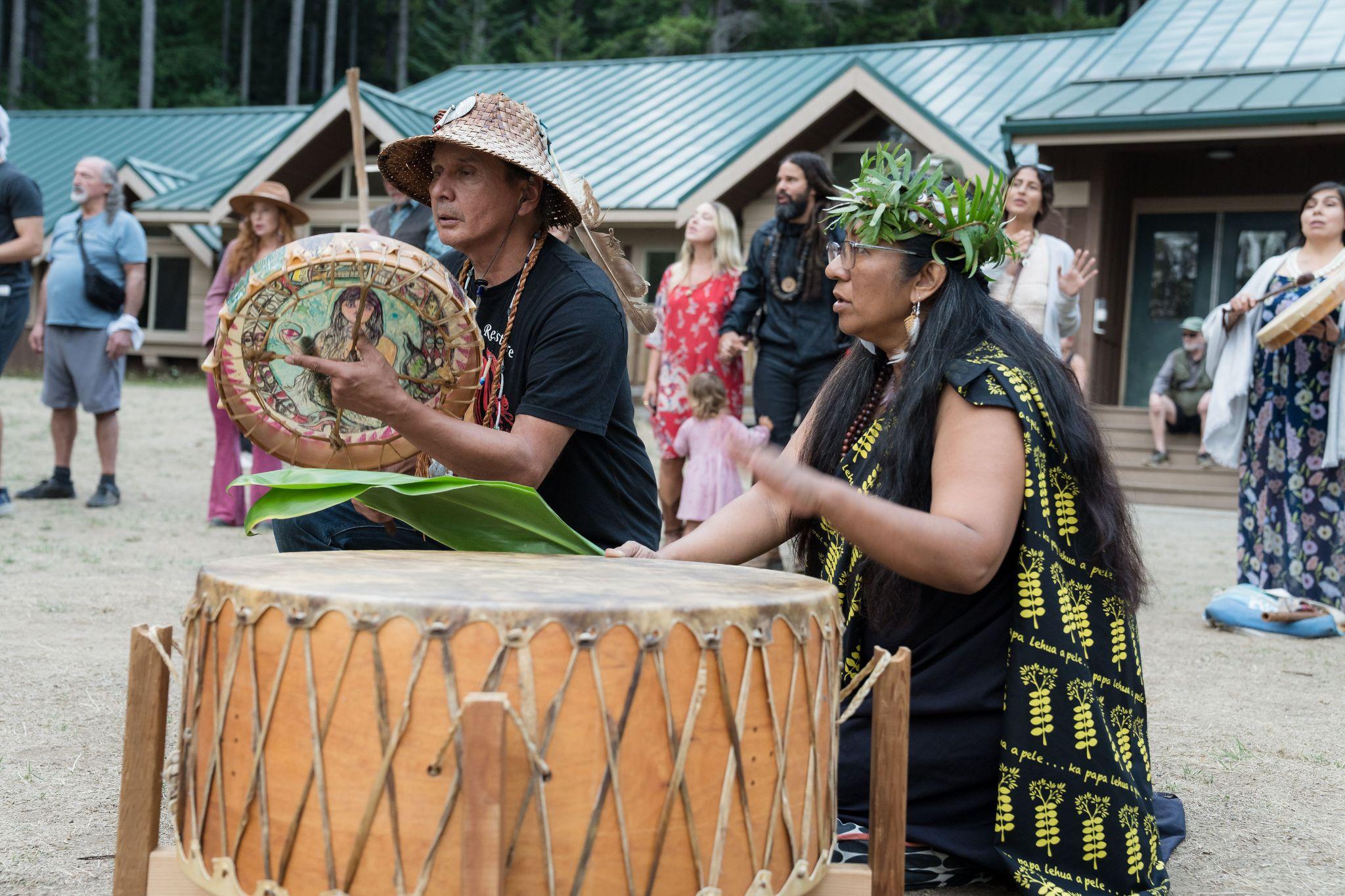
Across cultures and throughout history, many Indigenous and traditional societies have held shared principles that guided how communities lived, resolved conflict, and restored relationships. For example, many North American Indigenous nations practiced council circles and consensus decision-making, where each voice was heard and community harmony was prioritized over individual dominance (Pranis, 2005; Ross, 2014). In Māori traditions of Aotearoa (New Zealand), the concept of whanaungatanga emphasizes relational belonging and responsibility to community and ancestors (Durie, 2001). African philosophies such as Ubuntu—often translated as “I am because we are”—frame human identity as fundamentally relational and interconnected (Tutu, 1999; Mbiti, 1969). Many Hawaiian cultural practices emphasize pono (rightness and balance) and collective stewardship through practices such as ho‘oponopono, a relational process of dialogue, accountability, and reconciliation within families and communities (Pukui, Haertig, & Lee, 1972). These examples remind us that community healing has long been understood as communal practices grounded in listening, responsibility, and restoration rather than punishment or isolation.
In this training we draw inspiration from these enduring traditions, honoring the understanding that communities thrive when dignity, accountability, and care are held as shared commitments across generations. We honor all traditions, cultures and peoples of this Earth. We honor you and the wisdom and legacy that is living in your bones, your cells, your voice, this is the medicine that we collectively welcome to create collective spaces of community and connection.
Journal Prompts
Please be thorough with your responses. We suggest trying to express at minimum 100 words per prompt. Your answers will be emailed to you for your own records.